

 29 December 2025
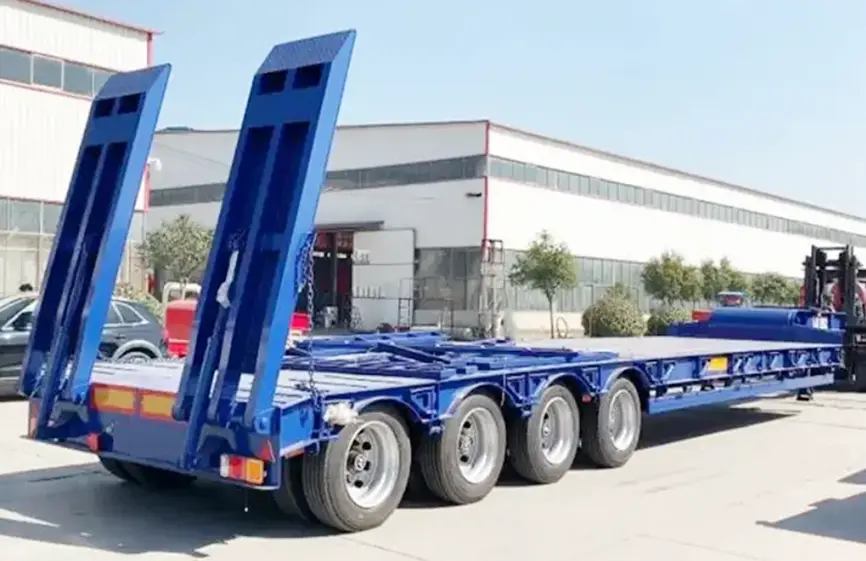
Lowbed Trailer Types Explained – Simple, Clear, Practical
Let’s start with the truth: you don’t choose a lowbed trailer by the name — you choose it by your job. If you first think about what you carry, how high it is, and where you drive, the right type becomes obvious. If you start only from definitions, you may overpay, need extra permits, or struggle on the road. That is why this guide focuses on your real work — not just technical terms. Why Lowbed Trailers Exist (and Why They Save You Money) Lowbed trailers sit lower than flatbeds. That lower deck gives you more height clearance, so you avoid: unnecessary oversize permits route restrictions delays at checkpoints safety risks when loading and unloading Think of it like carrying a tall cabinet at home: If you walk through the door upright, you hit the frame. Tilt it lower — suddenly everything becomes easy. Lowbeds do the same thing for heavy machinery. But sometimes, a flatbed is still the smarter choice. If you want to see when each one really works better, read this practical comparison: Flatbed Trailer vs Lowbed Trailer – Which One Fits Your Job. The Main Types of Lowbed Trailers (Explained Simply) Instead of listing dozens...
About the new
Flatbed Trailer Dimensions Guide – Real Sizes, Real Limits
Let’s start with the answer: there is no single “standard” flatbed trailer size. What really matters is whether the trailer fits your cargo, your roads, and your permits. If you start from the numbers alone, you will often choose the wrong trailer. When you start from your real job, dimensions suddenly become easy to understand. Why Flatbed Trailer Dimensions Confuse So Many People You search online and see many different numbers: 48 ft… 50 ft… 53 ft… legal width… loadable width… Some articles list tables. Some focus only on the U.S. Some mix legal limits and practical loading limits. But when you operate trucks, you don’t think like a textbook. You think like this: “Can this trailer move my cargo safely, without problems on the way?” That is exactly how we will explain dimensions here. The Three Numbers You Must Understand First Before talking about models and variations, remember these three key dimensions. 1. Overall length This is the physical length of the trailer itself. Most common: 48 ft flatbed 53 ft flatbed Shorter trailers are easier in cities. Longer trailers help when your load is long but not heavy. 2. Width In most markets, legal width is usually: 2.44...
About the new
 23 December 2025
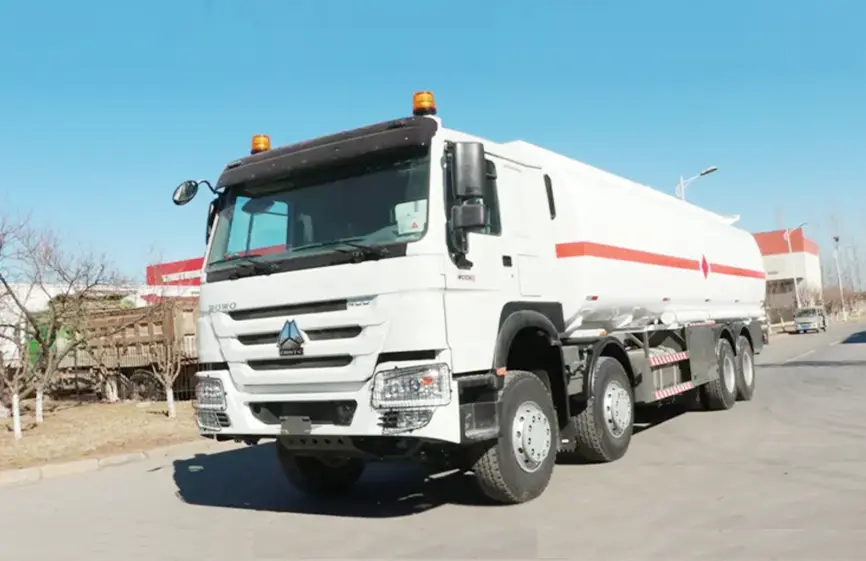
Fuel Tank Truck Capacity – Real Numbers, Real Limits
Conclusion first: fuel tank truck capacity is not a fixed number. What really matters is how capacity connects to tanker dimensions, regulations, and how you actually operate the truck. Once you understand this relationship, the numbers finally make sense—and you won’t need to keep searching. What Does “Fuel Tank Truck Capacity” Really Mean? When you search for fuel tank truck capacity, you’re usually trying to answer one practical question: “How much fuel can I move safely and legally in one trip?” In reality, capacity has three layers: The theoretical tank volume The legal and operational load The usable fuel in daily operation A fuel tanker is like a suitcase. Two suitcases can look the same size, but what you can actually pack depends on weight limits, balance, and airline rules. Fuel tank trucks work the same way. Typical Fuel Tank Truck Capacity Ranges (Real-World Numbers) Instead of giving you one “standard” figure, here is what you normally see in real use: Small fuel tank trucks: 5,000–10,000 liters Medium rigid fuel tank trucks: 12,000–20,000 liters Large fuel tank trucks: 20,000–30,000 liters Fuel tanker trailers: 30,000–45,000 liters, sometimes higher If you see a number outside these ranges, it usually reflects a special...
About the new
 23 December 2025
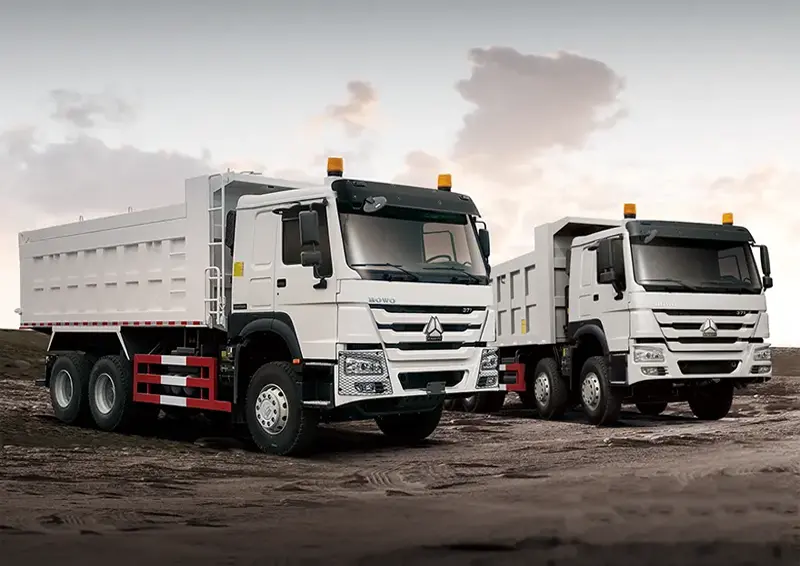
Dump Truck Types – Step by Step Guide to Picking the Best Truck
Dump trucks are not all the same. The right type for you depends on the terrain, cargo, load size, and how you plan to use it. Picking the wrong type may cost you efficiency, maintenance headaches, and even safety issues. Why dump truck types matter Many people think a dump truck is just a box on wheels. But in reality, different types solve very different problems. Choosing based only on appearance or capacity is like buying shoes by color instead of size—you might like the look, but it won’t fit your needs. Main types of dump trucks 1. Standard Dump Truck (Rear Dump) Best for: Construction sites with open space. How it works: The bed lifts from the front to dump material out the rear. Why you might pick it: Simple design, easy maintenance, versatile. Consideration: Limited unloading control in tight spaces. Internal link opportunity: Learn more about the basics of dump trucks in our What is a Dump Truck article. 2. Articulated Dump Truck (ADT) Best for: Rough or uneven terrain. How it works: The truck has a hinge between cab and bed for better maneuverability. Why you might pick it: Excellent off-road capability, can handle heavier loads on...
About the new
 23 December 2025
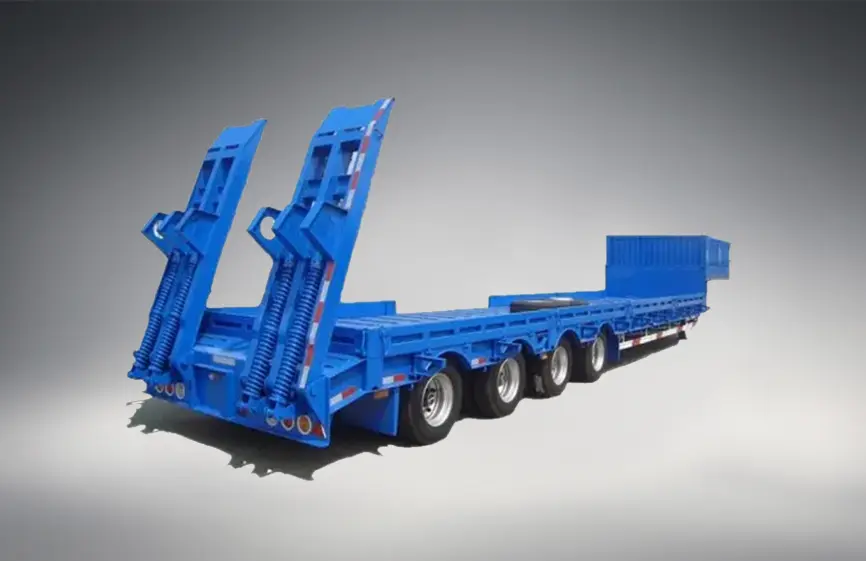
Semi Trailer Dimensions (Why Bigger Isn’t Always Better)
Semi trailer dimensions are not just about length, width, and height. What really matters is how those dimensions interact with roads, regulations, loading habits, and your daily operation. If you only memorize standard sizes, you may end up with a trailer that is legal on paper but inefficient or frustrating in real use. Why most people misunderstand semi trailer dimensions Most articles list numbers first: 40 ft, 45 ft, 53 ft, 2.5 m wide, 4 m high. That sounds precise, but it skips the real question you care about: Will this trailer work smoothly for your routes, cargo, and drivers? Dimensions are not fixed facts. They are compromises between capacity, maneuverability, and compliance. Think of semi trailer dimensions like shoe sizes Two people may both wear size 42 shoes, but one walks comfortably and the other gets blisters. Semi trailers are the same. On paper, two trailers may share the same length and width. In practice, axle layout, rear overhang, and kingpin position change how they behave on the road. That is why dimensions should be understood as a system, not a single number. Length: more is not always better Longer trailers carry more, but they also: reduce turning flexibility...
About the new
 23 December 2025
Different Tanker Trailer Types (Most Buyers Choose the Wrong One)
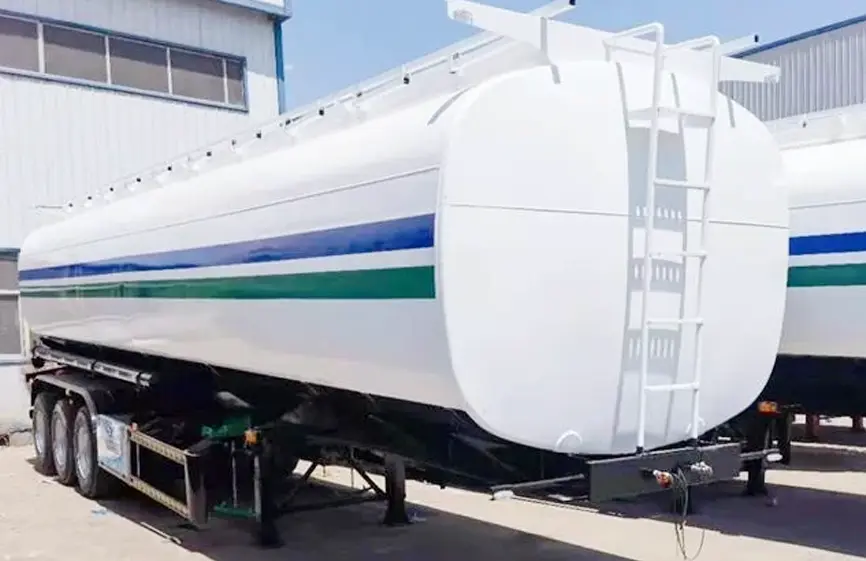
There are many tanker trailer types, but most buyers only need to understand one thing first: tanker trailers are classified by what they carry and how the liquid behaves, not by how they look. If you choose based on appearance or name alone, you are very likely to pick the wrong type. Once you match the tanker type to your cargo behavior, the right choice becomes obvious. Why “tanker trailer types” feels more complicated than it should be Most articles list tanker types like a catalog. Fuel tanker, chemical tanker, food-grade tanker, water tanker, and so on. That looks clear, but it hides the real logic. A tanker trailer is not just a container. It is more like a control system for moving liquids. Liquids shift, surge, expand, and react. Different tanker types exist to control those behaviors safely. Once you see that, the classification becomes simple. The real way to understand tanker trailer types Instead of memorizing long lists, it is more useful to group tanker trailers by how the liquid behaves inside the tank. You can think of tanker trailers as falling into four practical categories. General liquid tanker trailers This is the most common category. These tanker...
About the new
 23 December 2025
How Long Is a Tanker Trailer – And Why Length Is Not the Real Question
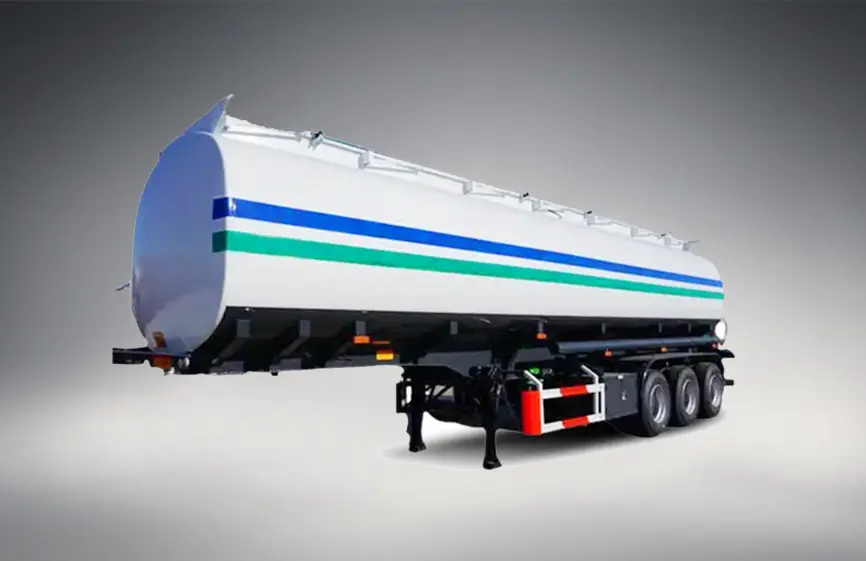
Most tanker trailers you see on the road are between 40 and 45 feet long. Some are shorter, some are longer, but the exact length is not chosen randomly. It depends on what you carry, how much you carry, and where you drive. If you focus only on length, you will miss the real decision point. Tanker trailers are designed around volume, regulations, and stability first, and length comes as a result. Why tanker trailer length feels confusing You search this question expecting a simple number. Instead, you find ranges, exceptions, and footnotes. That confusion is normal. A tanker trailer is not like a flatbed, where length mostly equals cargo space. A tanker is more like a water bottle. You can make it longer, wider, or split it into compartments, but the goal is the same: carry liquid safely. Once you understand that, the numbers make sense. The most common tanker trailer lengths In real-world operation, tanker trailer length usually falls into a few clear ranges: Around 40 feet: often used for fuel, chemicals, or regional delivery Around 42–45 feet: very common for highway fuel transport and general liquids Longer than 45 feet: typically designed for specific regulations or special...
About the new
 17 December 2025
Sinotruk, HOWO, CNHTC Explained – How These Names Are Actually Connected (Read This Once and Never Be Confused Again)
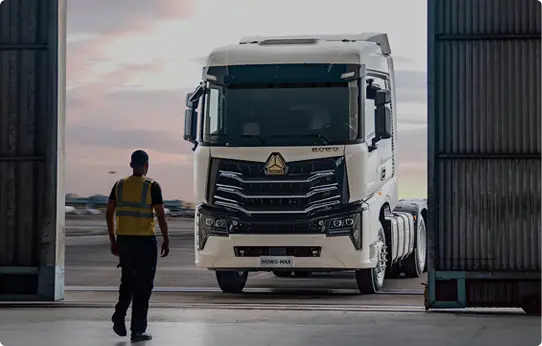
Sinotruk, HOWO, CNHTC, Sinotruk (Hong Kong), and China National Heavy Duty Truck Group Co., Ltd. are not competing companies. They are different names used for different purposes inside the same group. Think of them as one family using different names at work, at home, and on official documents. Why so many names cause confusion If you are new to Chinese heavy trucks, this situation feels strange. You see: Sinotruk on trucks and websites HOWO on the front grille CNHTC in documents Sinotruk (Hong Kong) on the stock market China National Heavy Duty Truck Group Co., Ltd. in official introductions It feels like five different companies. In reality, it is one core group, presented through different layers. Start from the core: the legal entity At the center is: China National Heavy Duty Truck Group Co., Ltd. This is the formal, legal name of the group. It is the “full name” you would see on government records, contracts, and official registrations. If this were a person, this would be the name on the passport. CNHTC: the shortened internal name CNHTC stands for China National Heavy Duty Truck Corporation. This is simply an abbreviation used: internally in older documents in technical or industrial...
About the new
 17 December 2025
Sinotruk or Shacman Trucks? Read This Before You Decide
Sinotruk and Shacman are both strong Chinese truck brands, but they are built with different priorities. If you want a truck that feels adaptable, widely supported, and easy to live with across many markets, Sinotruk usually makes more sense. If your work is heavy-duty, load-focused, and you value a more rigid, muscular setup, Shacman often feels more natural. The real difference is not quality. It is how each truck expects to be used. Why this comparison feels harder than it should If you read enough “Sinotruk vs Shacman” articles, they start to look the same: engines, axles, horsepower, payload. After all that, you still hesitate. That happens because most comparisons answer the wrong question. You are not asking which truck is stronger on paper. You are asking which one will cause fewer problems in your daily operation. Choosing between Sinotruk and Shacman is less like choosing a brand, and more like choosing a working style. Different DNA, different mindset Instead of listing specifications, it helps to understand the mindset behind each brand. Sinotruk focuses on balance. The trucks are designed to work in many countries, many industries, and many conditions. Shacman focuses on strength and structure. The trucks are often...
About the new
 17 December 2025
HOWO vs FAW Trucks – Not About Specs, But About How You Work
HOWO and FAW are both reliable Chinese truck brands, but they are built for different expectations. If you want a truck that is easy to maintain, tolerant of rough conditions, and flexible across many applications, HOWO often feels like the safer choice. If your priority is highway efficiency, consistent factory setup, and brand familiarity in certain markets, FAW may suit you better. The real difference is not which brand is “better”, but which one matches how you use your truck every day. Why this comparison feels confusing (and you are not alone) If you search “HOWO vs FAW”, you will quickly see long tables: engine power, axle brands, cab size, fuel consumption. After reading them, many buyers still feel unsure. That is because trucks are not smartphones. On paper, they may look similar. On the road, and over years of use, they behave very differently. Choosing between HOWO and FAW is more like choosing between a rugged work boot and a well-fitted running shoe. Both are good products, but you will regret it if you use the wrong one for the wrong job. Brand positioning in simple terms Instead of starting with history or ownership, it helps to understand how...
About the new
 15 December 2025
Dump Truck vs Tipper Truck: Are They the Same? – The Only Guide You Need
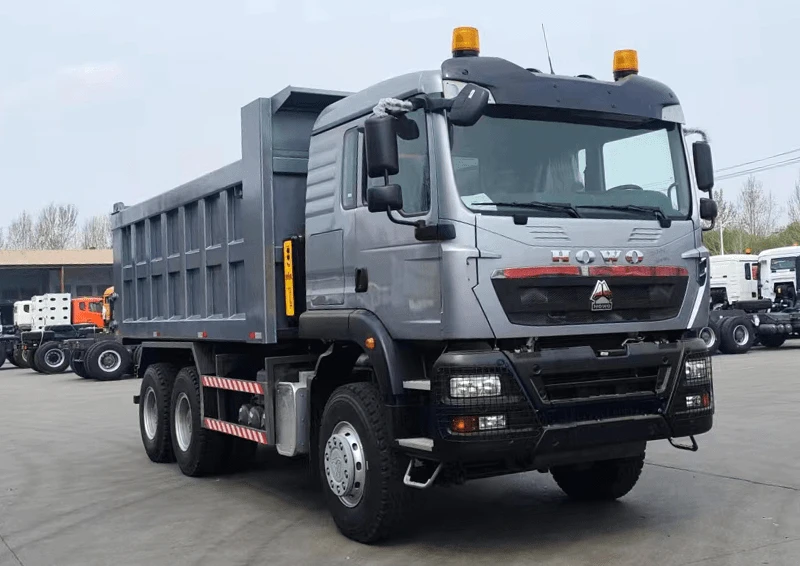
Short answer first: in most real-world jobs, dump truck and tipper truck refer to the same function, but they are not always the same vehicle. The difference is not about dumping, it is about where you are, how the truck is built, and what job you expect it to survive. If you have ever felt confused because two suppliers used different names for what looked like the same truck, you are not alone. You are asking the right question. This guide is written to help you stop guessing and start choosing the right truck with confidence. Why This Confusion Exists in the First Place Think of it like this: Pickup and ute describe a similar idea, but one word fits North America, the other fits Australia. Soccer and football point to the same game, but language and culture change the name. Dump truck vs tipper truck works the same way. Both trucks are designed to carry loose material and unload it by tilting the body, but the name you hear depends heavily on region, industry habits, and vehicle size. What Is a Dump Truck (In Practical Terms) When people say dump truck, they usually mean: A heavier-duty vehicle Designed for...
About the new
 15 December 2025
What Is a Dump Truck – The Ultimate Pillar Guide You’ll Ever Need
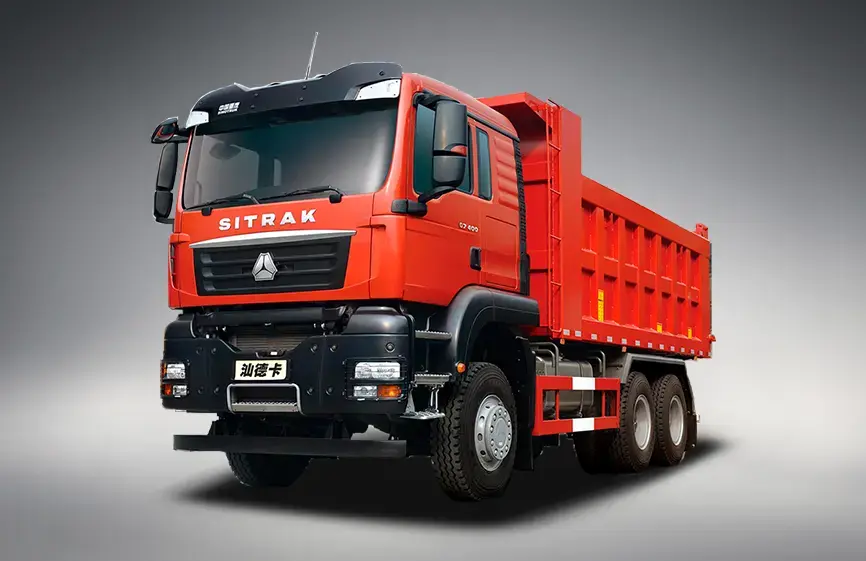
If you want the clearest possible answer before reading anything else, here it is: a dump truck is a vehicle designed to transport loose bulk materials and unload them quickly by tipping its cargo body, saving time, labor, and cost on almost every job site. This page is written as a pillar guide. That means you do not need to open ten other articles after reading it. Everything essential—definitions, use cases, types, selection logic, safety, and real-world considerations—is explained in one place, in simple language. Why Dump Trucks Exist (The Problem They Solve) Dump trucks were not invented because people wanted bigger trucks. They were invented because unloading bulk material by hand is slow, expensive, and inconsistent. Imagine moving sand with buckets. Now imagine lifting the bucket once and letting gravity do all the work. That is exactly what a dump truck does, just on a much larger scale. If your job involves soil, gravel, stone, asphalt, or waste, speed of unloading matters more than elegance. Dump trucks are built for that reality. What Makes a Dump Truck Different From Other Trucks Many trucks move cargo. Only dump trucks are designed to discharge cargo by tipping the body. That single...
About the new




 English
  French
  Spanish
  Portuguese
  Arabic