Contact Form
Search




You might wonder about tanker truck capacity when planning your fuel transport needs. The quick answer is that a typical tanker truck holds between 5,000 and 11,000 gallons of gas. But it depends on your setup, like the truck size and local rules. This guide helps you understand it better, so you can make smart choices for your operations.
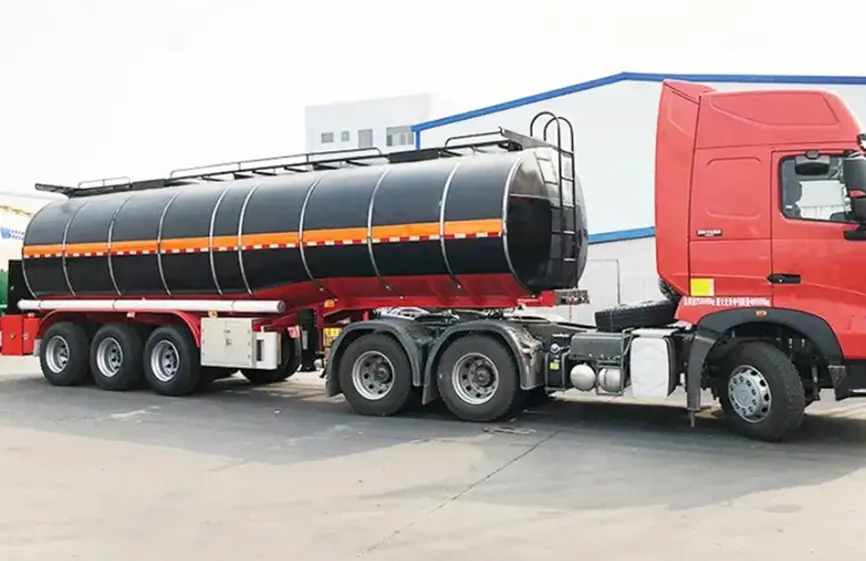
Imagine your car’s gas tank holds about 15 gallons – enough for a quick trip to the store. Now scale that up. A small tanker truck is like a bigger version of your car’s tank, carrying 1,000 to 3,000 gallons for short local runs. You use these when you deliver fuel to homes or small sites. They keep things simple and safe in tight spaces.
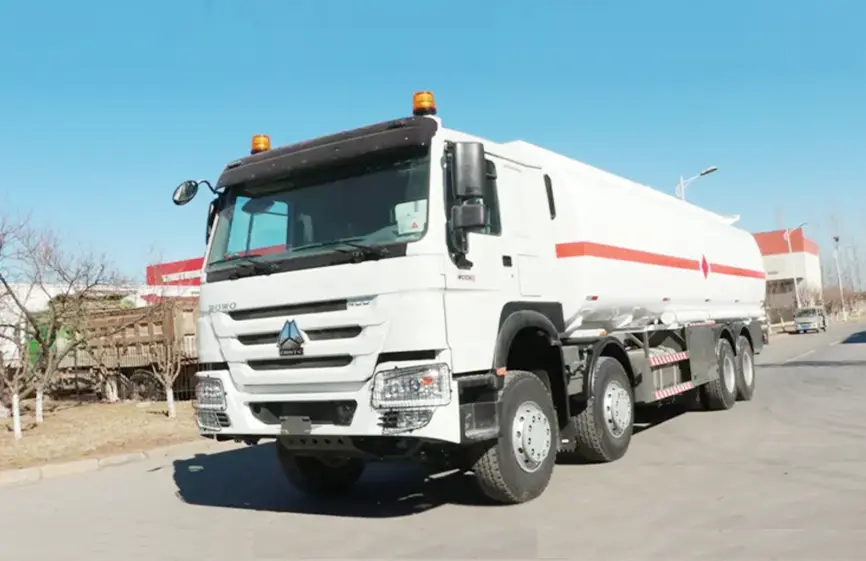
For longer hauls, think of a medium tanker as your reliable family van. It can hold 3,000 to 7,000 gallons. You might pick this if you run regional deliveries, like supplying gas stations in your area. It’s a balance – not too big to handle, but enough to make your trips worthwhile.
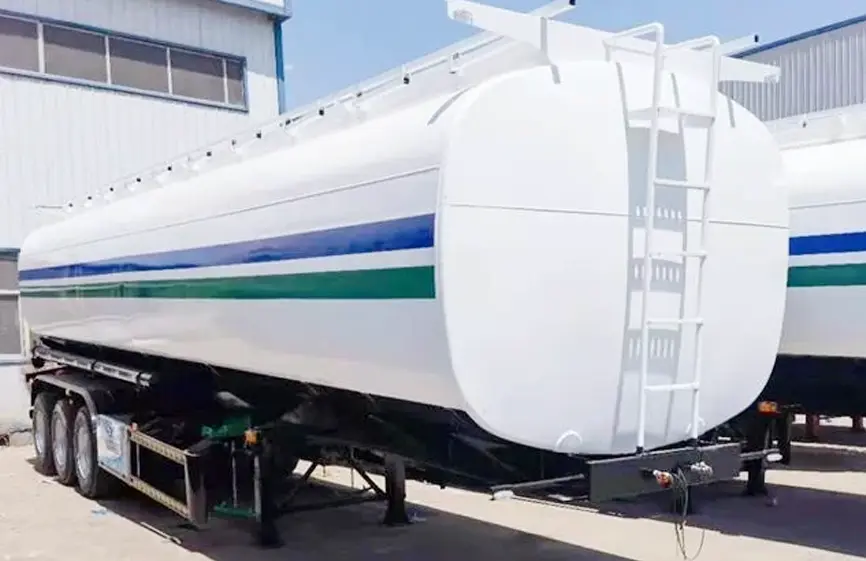
Large tankers are the heavy hitters, like a massive storage drum on wheels. They carry 5,000 to 11,000 gallons or more in some cases. You see these on highways, moving huge loads of gas across states. But here’s where some ideas fall short: people often think bigger means better for every job. That’s not always true. If you overload for your routes, you risk safety issues or fines from weight limits.
Weight plays a big role in what you can actually carry. Gas weighs about 6 pounds per gallon. So, if your truck’s total weight cap is 80,000 pounds – common in many places – you can’t just fill to the max. The truck itself might weigh 30,000 pounds empty. That leaves room for around 8,000 gallons safely. Ignore this, and you could face breakdowns or spills. Better to plan your loads like packing a suitcase – leave space for the unexpected.
Regulations keep you in check too. In the US, rules limit how full you go, often to 95% to avoid expansion from heat. Overseas, like in Europe or Asia, tanks might be smaller for narrower roads. You need to match your truck to your location. For example, if you’re in a hilly area, a lighter load helps your engine last longer.
Safety is key for you as a driver or owner. Tankers have compartments to separate fuels, like drawers in your toolbox. This stops mixing and makes unloading easier. But don’t fall for the myth that all tankers are the same. Some are built for gas, others for thicker liquids. Picking the wrong one wastes your time and money.
At SINOTRUK, we focus on trucks that fit your real needs. Our models offer customizable tanks, so you get the right capacity without extras you don’t want. This saves fuel and cuts costs over time.
FAQ: Quick Answers to Your Top Questions
© 2025 SINOTRUK. Privacy Policy | Warranty Policy
Address: No. 777 Huaao Road, Innovation Zone, Jinan, Shandong Province, China






 English
  French
  Spanish
  Portuguese
  Arabic