Contact Form
Search




When people ask “How long is a semi truck,” the most direct answer is: a typical tractor-trailer you see on highways is usually around 70–75 ft in total length.
This is the real reference point that affects your turning radius, your loading style, your route planning, and your purchasing decisions.
Think of it like choosing the size of your luggage: many sizes exist, but one standard size defines most real use cases.
Most online explanations stay on basic measurements. This guide focuses on what actually matters for your operation, helping you understand lengths in a way that prevents confusion and avoids unnecessary searching.
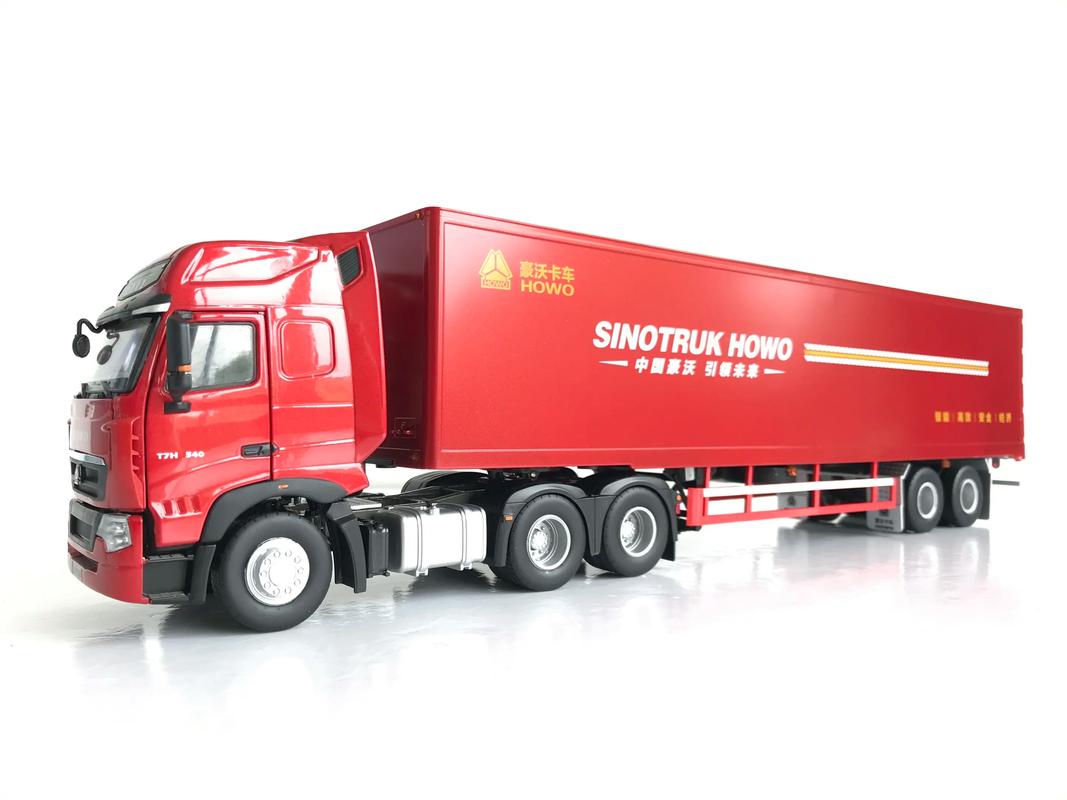
If you search online, you will find numbers like:
Tractor: 20–25 ft
Trailer: 48–53 ft
Total length: 70–80 ft
These numbers are correct, but incomplete.
The missing truth is this:
You never use a tractor or trailer alone. You use a combination built for a purpose.
A 53-ft trailer is not automatically better.
A short tractor is not always more efficient.
Your real needs decide the best length.
Most tractors fall between 20–25 ft, but their purpose determines the size:
Day cab: shorter, easier for city driving
Sleeper cab: longer, better for long-distance comfort
The difference may look small, but even a 2–3 ft change affects your turning space.
The most common US trailer sizes are:
53 ft — the nationwide standard for most freight
48 ft — widely used in manufacturing and regional logistics
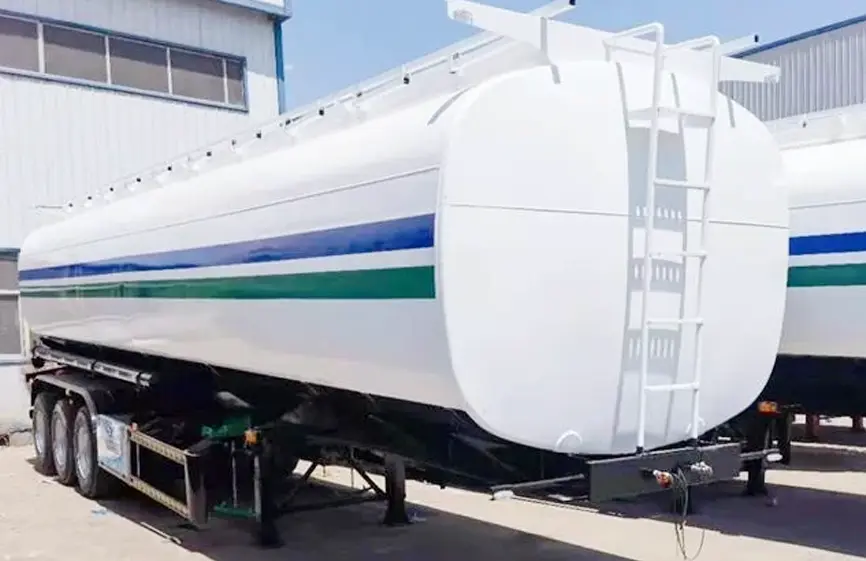
Special trailers vary much more: tankers, auto carriers, and flatbeds can range from 40 ft to over 70 ft.
A key insight often overlooked:
The useful cargo length depends on your pallet pattern, not just your trailer length.
Typical real-world combinations:
Day cab + 48 ft trailer: ~65–70 ft
Day cab + 53 ft trailer: ~70–73 ft
Sleeper cab + 53 ft trailer: ~72–75 ft
Your exact length depends on wheelbase, fifth-wheel position, and bumper design.
If you buy a sofa, the size you need depends on your living room, not on what most people buy.
Semi trucks are the same:
Tight cities = shorter tractor
Long interstate runs = longer sleeper
Light cargo = shorter trailer possible
Full pallet loads = 53 ft preferred
Your routes are the “room,” and the semi-truck length is the “sofa size.”
Most buyers think length is just a measurement.
In reality, it changes multiple aspects of your operation.
A shorter tractor gives you easier maneuvering in ports, cities, and industrial zones.
Longer wheelbases increase stability but may reduce fuel efficiency slightly.
Sleeper cabins add length but also allow drivers to rest better on long hauls.
If you handle palletized freight, the length you choose decides your loading format.
Most U.S. states limit trailer length, not total length. Knowing these rules helps you avoid violations.
If your routes include bridges, docks, or tight yards, choosing the wrong length can reduce efficiency.
If you take only one idea from this guide, it is this:
The ideal semi-truck length is not the average length. It’s the length that fits your routes, loading space, and driver needs.
A right-size truck brings you:
Better maneuverability
Easier compliance
Lower fuel cost
Smoother loading
Safer operation
Higher fleet efficiency
When length matches purpose, everything else becomes easier.
© 2025 SINOTRUK. Privacy Policy | Warranty Policy
Address: No. 777 Huaao Road, Innovation Zone, Jinan, Shandong Province, China








 English
  French
  Spanish
  Portuguese
  Arabic