Contact Form
Search




If you want the shortest and clearest answer first, here it is:
a semi truck is a truck designed to pull heavy loads by sharing weight between the truck and the trailer, which is why it can move massive cargo efficiently over long distances.
You may see semi trucks every day on highways, but understanding what makes a semi truck different helps you better understand how modern logistics really works—and why almost everything you buy depends on it.
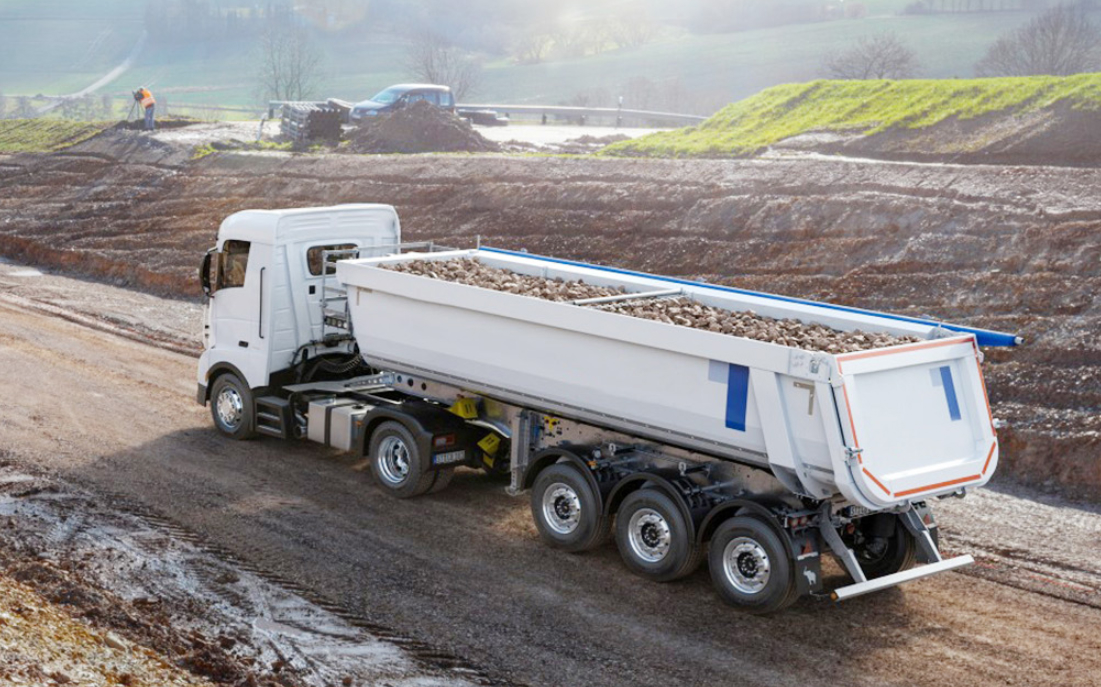
The word “semi” often confuses people. You might think it means half a truck, but that is not the real idea.
A semi truck is “semi” because the trailer cannot stand on its own. Part of the trailer’s weight is carried by the truck through the fifth wheel connection. In simple terms, the truck and trailer work as one unit.
Think of it like carrying a long ladder with a friend. You hold one end, your friend holds the other. The ladder is stable only because the weight is shared. A semi truck works the same way.
Many articles explain this with technical language. You do not need that.
Here is the practical difference that matters to you:
A semi truck is built for long-distance, heavy transport
It pulls a detachable trailer
It can change trailers depending on the job
A normal truck usually carries cargo on its own body. A semi truck pulls the cargo instead.
This is why semi trucks are so flexible. One truck can pull a container today, a flatbed tomorrow, and a tanker next week.
To really understand a semi truck, you only need to understand two parts.
First is the tractor. This is the front part with the engine, cab, and driver.
Second is the semi-trailer. This is where the cargo goes.
They connect through a fifth wheel, which locks the trailer in place and transfers weight.
This design allows better balance, better fuel efficiency, and safer handling when carrying heavy loads.
Some people think semi trucks exist only because they are big. That is not the real reason.
They exist because they are efficient.
A semi truck can carry far more cargo than smaller trucks, using less fuel per unit of goods. This keeps transport costs lower, which directly affects the price you pay for food, fuel, building materials, and daily products.
If semi trucks disappeared tomorrow, store shelves would empty faster than most people expect.
You do not need to remember every type, but knowing the idea helps.
Dry van semi trucks carry boxed goods
Flatbed semi trucks carry steel, machinery, and construction materials
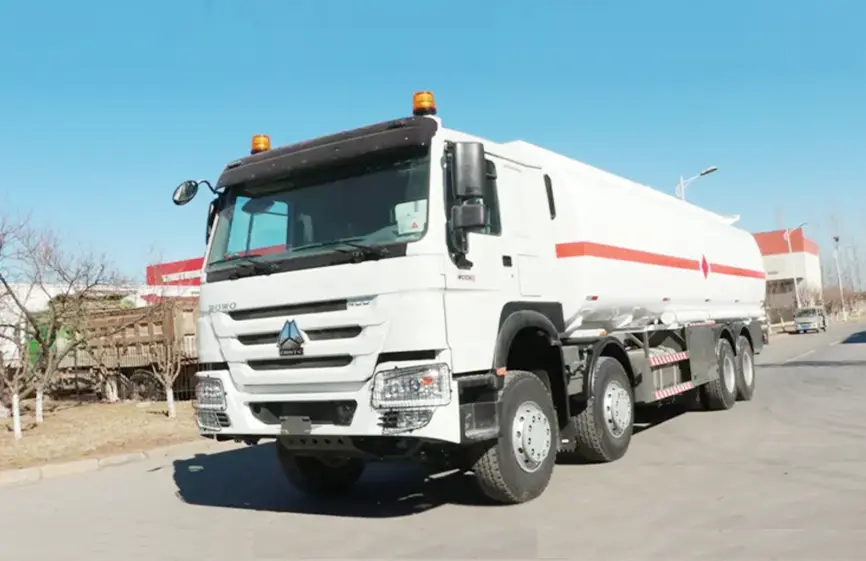
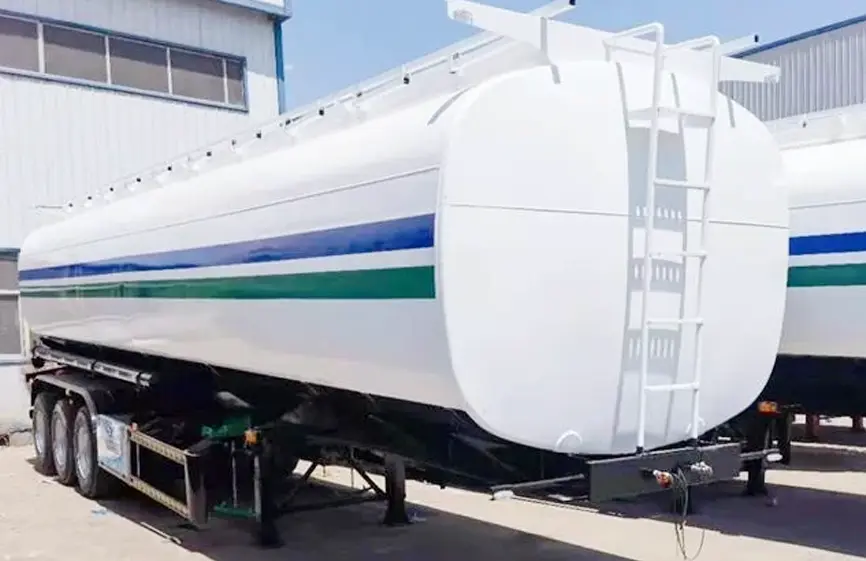
Tanker semi trucks carry fuel, water, or chemicals
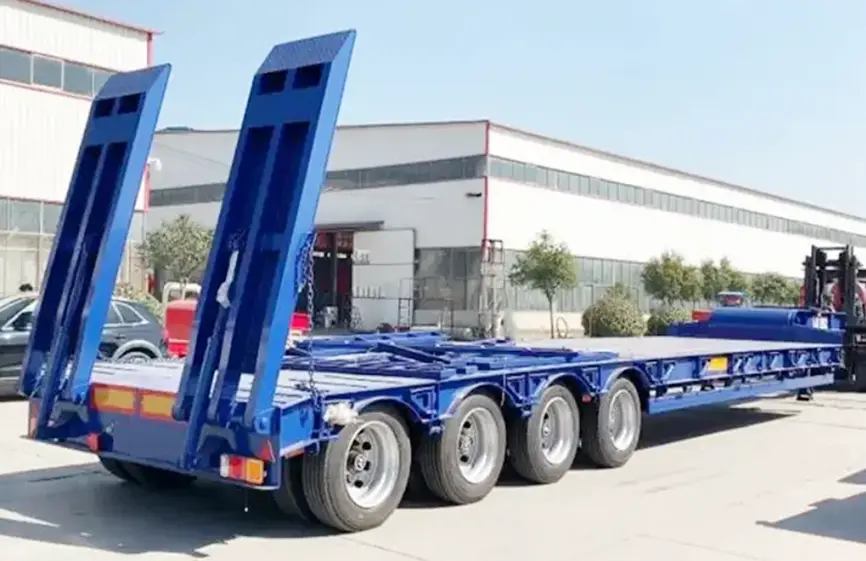
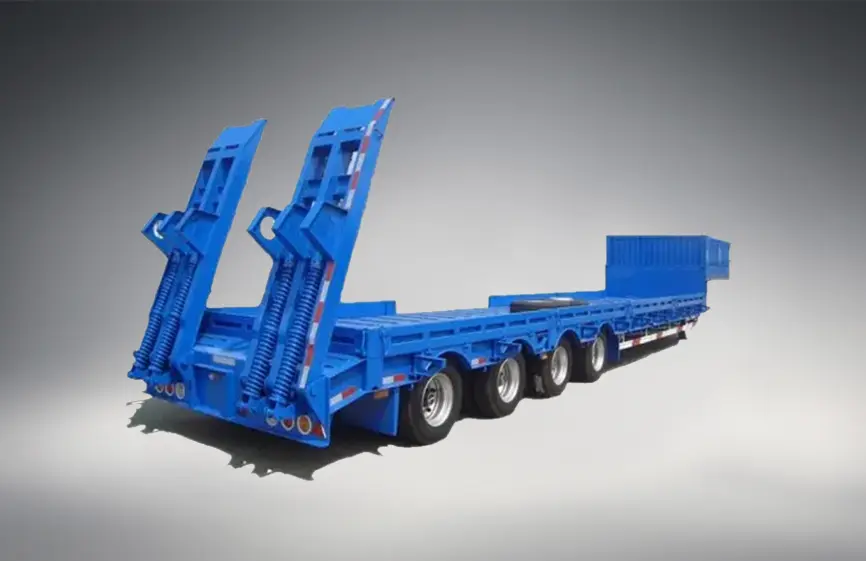
Lowbed semi trucks move heavy equipment
The key point is this: the same tractor can pull many different trailers. That flexibility is what makes semi trucks so powerful in logistics.
Some people believe semi trucks are dangerous simply because they are large.
In reality, semi trucks are designed to be stable at highway speeds. Their braking systems, axle distribution, and weight balance are engineered for safety.
Most risks come from poor maintenance or improper loading, not from the semi truck concept itself.
Even if you never drive one, a semi truck affects your daily life.
The phone you use, the food you eat, and the materials in your home likely traveled on a semi truck at some point. Understanding this gives you a clearer picture of how supply chains really work.
Once you understand what a semi truck is, you also understand why it will not disappear anytime soon.
A semi truck pulls a trailer and shares the load weight, while a normal truck carries cargo on its own body.
The design depends on regulations, engine layout, and driver comfort. Both designs serve the same purpose.
Yes. The tractor can move on its own, but it is designed to work best when pulling a trailer.
No. They are used worldwide, though designs vary by region and regulations.
It requires training, but modern semi trucks are built to be stable and predictable when operated correctly.
© 2025 SINOTRUK. Privacy Policy | Warranty Policy
Address: No. 777 Huaao Road, Innovation Zone, Jinan, Shandong Province, China






 English
  French
  Spanish
  Portuguese
  Arabic